

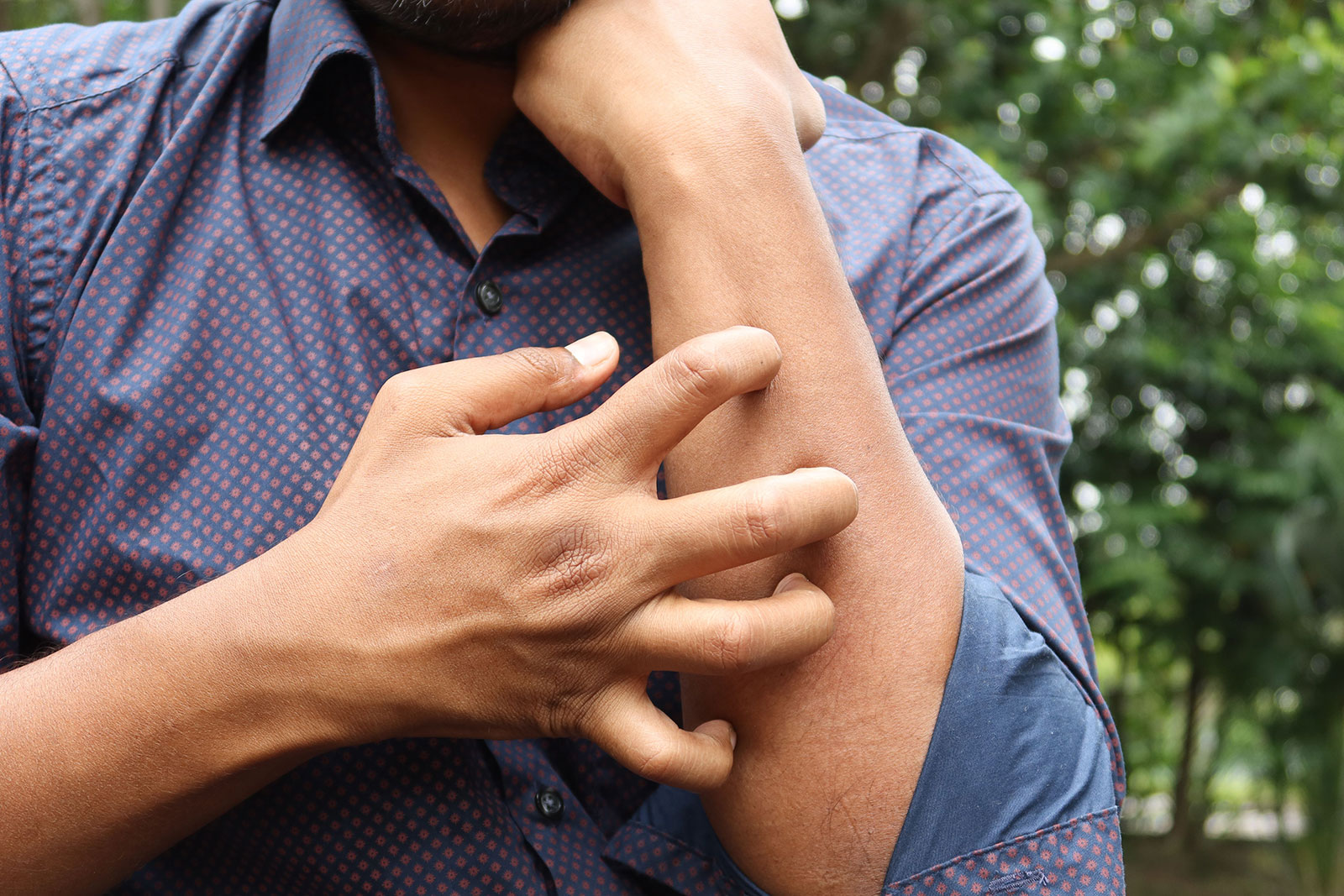
Mild redness and irritation are a normal part of radiotherapy for most people. Loose clothing, gentle fragrance-free moisturising and avoiding friction can ease discomfort, while soft silicone dressings may help more significant reactions. Contact your care team promptly if the skin breaks, weeps or shows signs of infection.
Noticing your skin becoming red, tight or itchy partway through treatment can be unsettling, even when you know it might happen. This guide covers practical ways to stay comfortable, and just as importantly, how to tell the difference between a normal reaction and something your care team should see.
A normal response as skin renews
Why Skin Becomes Red and Irritated During Radiotherapy
As covered in our guide to understanding radiation dermatitis, radiotherapy temporarily slows the skin’s normal renewal process in the treatment field, which is what causes redness, dryness and sensitivity. This is expected, and for most people it stays mild.
Loose clothing, moisturiser and less friction
Comfort Measures for Mild Redness and Itching
Small, practical changes can make a real difference to day-to-day comfort.
- Wear loose, soft, natural-fibre clothing such as cotton, linen or silk over the treatment area, and avoid tight straps, waistbands or seams that rub against it.
- Keep up your gentle moisturising routine, since dry skin tends to feel itchier.
- Avoid scratching where possible, as it can break already fragile skin.
- Avoid applying ice packs or heating pads directly to the treatment area, since extremes of temperature can add further irritation.

Peeling or broken skin needs attention
When Redness Progresses
In some people, redness develops further into peeling or small patches of moist, broken skin, particularly in skin folds or areas of friction. If this happens, your radiotherapy team may recommend a soft silicone dressing to protect the area and support healing, and will monitor for any signs of infection.
This level of reaction needs to be managed with your care team directly rather than at home alone, so it’s important to let them know as soon as you notice it.
Simple relief options worth discussing together
Managing Pain and Discomfort
If irritation is affecting your comfort, simple pain relief can help. Speak to your care team about what’s appropriate for you, particularly if you’re taking other medications as part of your treatment.
Warning signs that need prompt care
Clear Signs to Contact Your Care Team Promptly
It’s always better to raise a concern early than to wait and see. Contact your radiotherapy or oncology team if you notice any of the following.
- The skin becomes broken, weeping or blistered.
- Redness spreads beyond the treatment field or becomes noticeably worse quickly.
- You notice increasing pain, warmth or discharge from the area.
- You develop a fever alongside skin changes.
Suggested CanScience Routine
A gentle comfort-focused routine for redness and irritation.
- Morning: Wash gently, pat dry, and apply a fragrance-free moisturiser such as CanScience Body Repair Cream, avoiding any broken or weeping areas.
- Evening: Repeat the gentle wash and moisturise, and check the area for any changes worth mentioning at your next appointment.
- Supportive products: CanScience Rayon Gel and Body Repair Cream were developed to help support compromised skin during treatment. If skin is broken or weeping, follow your care team’s specific dressing instructions rather than applying general moisturiser to that area.
Managing Redness and Irritation During Radiotherapy Frequently Asked Questions
Is redness during radiotherapy normal?
Yes. Some degree of redness in the treatment area is a common and expected response to radiotherapy, and for most people it stays mild and manageable.
What helps itchy skin during radiotherapy?
Keeping the skin well moisturised with a fragrance-free product, wearing loose natural-fibre clothing, and avoiding scratching all help. Speak to your care team if itching becomes difficult to manage.
Can I use ice or heat on the treatment area?
It’s best to avoid applying ice packs or heating pads directly to the treatment area, since extremes of temperature can add further irritation to already sensitive skin.
When should moist or broken skin be checked by a doctor?
As soon as you notice it. Broken, weeping or blistered skin, spreading redness, increasing pain or warmth, discharge, or fever alongside skin changes are all reasons to contact your radiotherapy or oncology team promptly.
Key Takeaways
Mild redness and irritation are a normal, expected part of radiotherapy for most people. Loose clothing, gentle moisturising and avoiding friction help with day-to-day comfort. More significant reactions, such as broken or moist skin, need to be managed with your care team rather than at home alone. Contact your care team promptly for broken, weeping or infected-looking skin, or a fever alongside skin changes.
Medical Disclaimer: The information in this article is for educational purposes only and does not constitute medical advice. It is not a substitute for professional medical guidance and is not intended to diagnose, treat, cure or prevent any condition. Product timing and technique can vary between radiotherapy centres. Always consult your oncologist, radiation therapist or healthcare team before making changes to your skincare routine during treatment.
This article draws on a 2023 systematic review of skin hygiene and radiation dermatitis prevention, 2024 to 2025 ESTRO RTT committee practical recommendations for radiodermatitis management, and Society of Radiographers practice guidance on radiotherapy skin care. Full citations available on request.


