

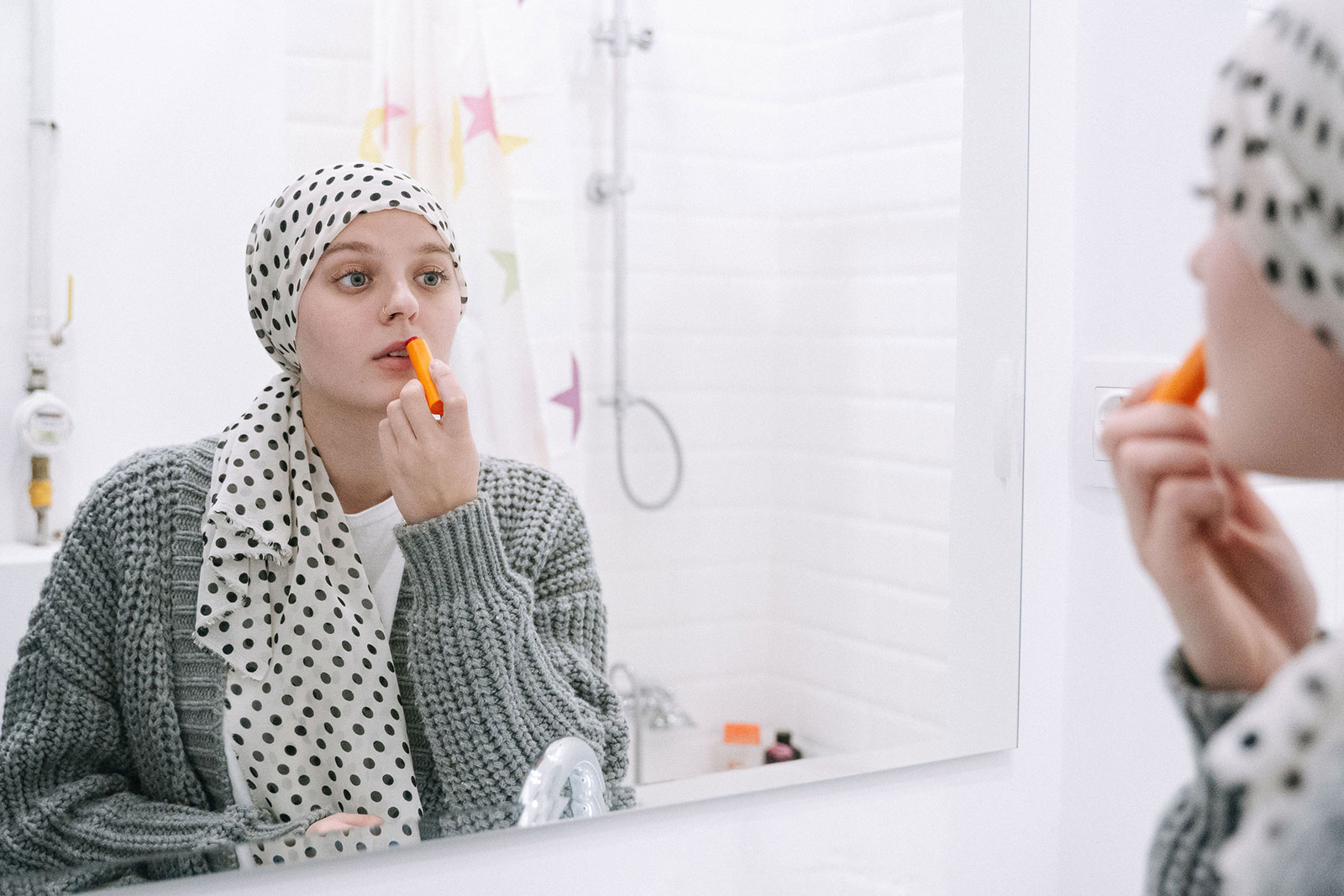
Skin reactions often continue to worsen for ten to fourteen days after radiotherapy ends before gradually improving. Continuing gentle, fragrance-free moisturising, protecting the area from the sun with a high SPF sunscreen once healed, and allowing several months for full recovery all support the healing process.
Finishing a course of radiotherapy is a significant milestone, and it’s natural to expect your skin to start improving straight away. For many people, it actually looks a little worse before it gets better. This is expected, and understanding the pattern can make the last stretch of recovery feel less worrying.
A short dip before real healing
Why Your Skin May Get Worse Before It Gets Better
Radiotherapy’s effect on the skin doesn’t stop the moment treatment ends. It’s common for reactions to continue building for around ten to fourteen days after your final session before they start to settle. If your skin looks more irritated in the days just after finishing treatment, this is a well documented part of the pattern, not a sign that something is wrong.
Don’t stop caring once treatment ends
Continuing Your Skincare Routine After Treatment Ends
It’s tempting to relax your routine once appointments stop, but this is exactly when your skin still needs consistent support. Keep washing gently and moisturising with a fragrance-free product for as long as the skin remains sensitive, and don’t stop simply because treatment sessions have finished.
SPF50 protects sensitive, still healing skin
Sun Protection for Healing Skin
Once the skin has healed enough that a sunscreen can be applied comfortably, a mineral sunscreen of at least SPF50 is recommended for the treated area. Treated skin often remains more sensitive to sun exposure than the surrounding skin, sometimes for a long time afterwards, so ongoing sun protection is worth building into your routine well beyond the initial recovery period.

Weeks to settle, months to heal
What a Typical Recovery Timeline Looks Like
Recovery varies from person to person. Many people notice their skin settling meaningfully within a few weeks of finishing treatment, with more gradual improvement continuing over the following three to six months. Consistent, gentle skincare throughout this period is one of the most useful things you can do to support the process.
Texture, pigmentation and hair may change
Longer-Term Skin Changes to Be Aware Of
Most people’s skin returns close to how it looked before treatment. Some people notice smaller, lasting changes in the treated area, such as a slightly different texture, changes in pigmentation, or reduced hair growth. These changes are not the same for everyone, and if any of them concern you, they are worth raising with your care team.
When healing stalls, ask your team
Signs Recovery May Need Checking
Contact your care team if a wound in the treatment area isn’t healing as expected, or if you notice new or worsening symptoms weeks or months after treatment has finished. It’s always worth having anything unexpected checked rather than waiting.
Suggested Routine
Suggested CanScience Routine
A recovery-focused routine to continue well after your last session.
- Morning: Wash gently, then apply a fragrance-free moisturiser such as CanScience Body Repair Cream. Once the skin has healed enough, follow with a mineral SPF50 sunscreen if the area will be exposed to sunlight.
- Evening: Repeat the gentle wash and moisturise.
- Supportive products: CanScience Body Repair Cream and Rayon Gel were developed to help support compromised skin during and after cancer treatment, and can continue to play a role in your routine well into recovery.
Caring for Your Skin After Radiation Therapy Frequently Asked Questions
How long does it take for skin to heal after radiotherapy?
Many people notice meaningful improvement within a few weeks of finishing treatment, with gradual healing continuing over the following three to six months. Individual timelines vary.
Why does my skin look worse after treatment ended?
Skin reactions commonly continue to build for around ten to fourteen days after the final session before they start to improve. This delayed pattern is expected and well documented, not a sign of a problem.
Do I still need sunscreen after radiotherapy finishes?
Yes. Once your skin has healed enough to apply it comfortably, a mineral SPF50 sunscreen is recommended for the treated area, which often stays more sun-sensitive than the surrounding skin for some time afterwards.
Will my skin go back to normal after radiotherapy?
For most people, skin returns close to how it looked before treatment. Some people notice small, lasting changes such as slightly different texture or pigmentation in the treated area, which is worth discussing with your care team if it concerns you.
Key Takeaways
Skin reactions often continue for ten to fourteen days after treatment ends before they start to improve. Keep up gentle washing and fragrance-free moisturising well after your last session, not just during treatment. A mineral SPF50 sunscreen is recommended for healed treatment skin, which often stays sun-sensitive longer term. Full recovery typically takes several months, and any non-healing or worsening symptoms are worth having checked.
Medical Disclaimer: The information in this article is for educational purposes only and does not constitute medical advice. It is not a substitute for professional medical guidance and is not intended to diagnose, treat, cure or prevent any condition. Product timing and technique can vary between radiotherapy centres. Always consult your oncologist, radiation therapist or healthcare team before making changes to your skincare routine during treatment.
This article draws on a 2023 systematic review of skin hygiene and radiation dermatitis prevention, 2024 to 2025 ESTRO RTT committee practical recommendations for radiodermatitis management, and Society of Radiographers practice guidance on radiotherapy skin care. Full citations available on request.


