

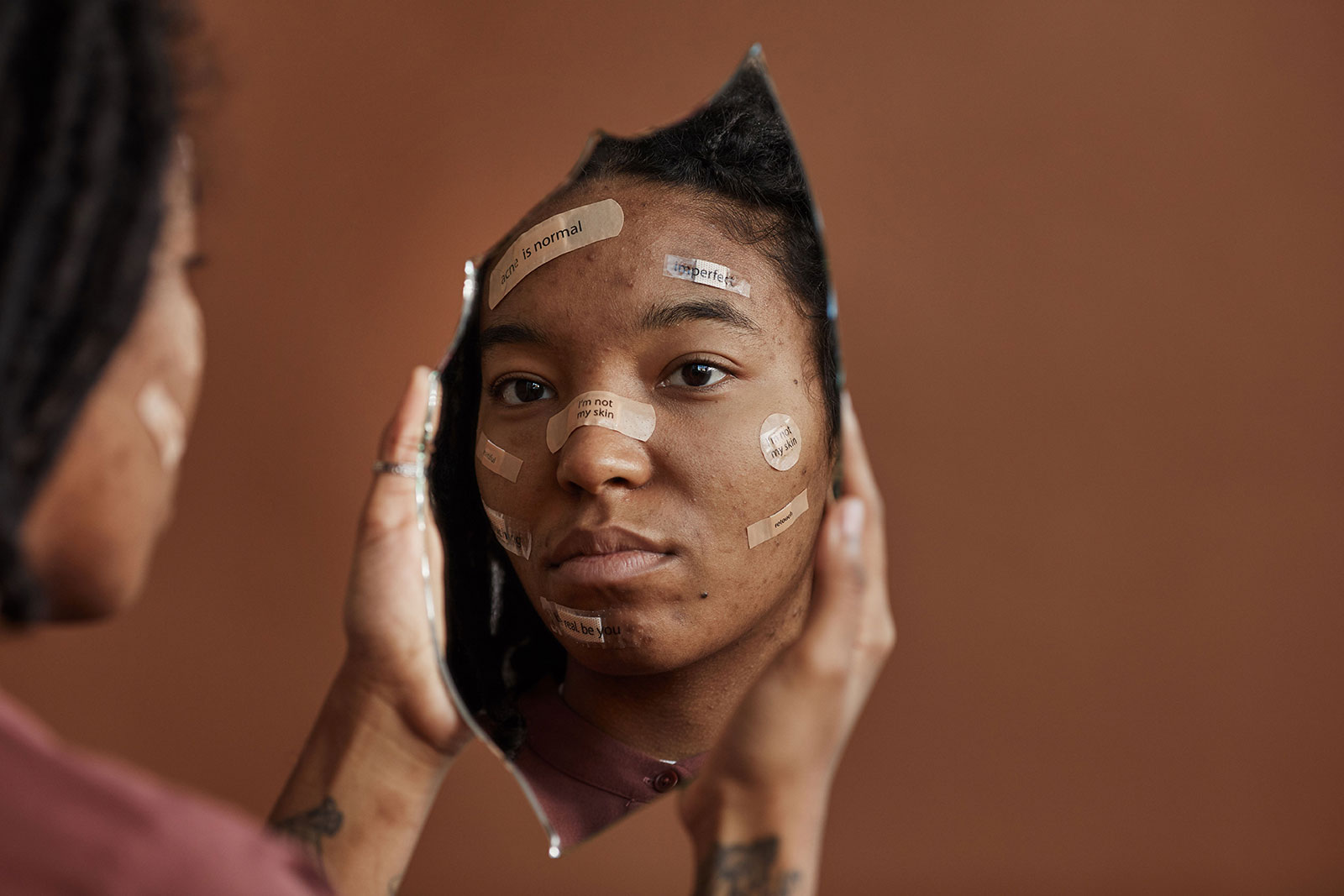
You may not have thought much about your skin barrier before, but if your skin has started to feel persistently dry, tight, or reactive, it is likely telling you that this invisible protective layer needs some support. For people undergoing cancer treatment in particular, barrier damage is a common and manageable experience, and understanding it can make a real difference to how you feel day to day.
Understanding The Skin Barrier
The Role of the Skin Barrier
Think of your skin barrier like a brick wall. The skin cells (called corneocytes) are the bricks, and the lipids (fats) surrounding them are the mortar holding everything together. This structure performs two critical jobs: it keeps moisture inside the skin and keeps irritants, bacteria, and allergens out.
When the mortar starts to crumble, gaps appear. Moisture escapes more quickly than the skin can replace it, a process called transepidermal water loss (TEWL), and things that would normally be kept out can penetrate more easily. The result is skin that feels dry, tight, and reactive.

How Do You Know?
How to Recognise Barrier Damage
Barrier damage does not always look dramatic. The signs can be subtle at first, but tend to build over time if left unaddressed:
- Persistent dryness or tightness that does not improve with your usual moisturiser
- Redness, flushing, or a blotchy appearance that is new or worsening
- A stinging or burning sensation when applying products, even gentle ones
- Flaking, peeling, or a rough texture on skin that used to feel smooth
- Heightened sensitivity to temperature changes, fabrics, or environmental conditions
- More frequent skin breakouts or minor infections than usual
- Itching without an obvious visible cause
What Causes It?
What Damages the Skin Barrier?
The good news is that sensitive skin is very manageable with the right approach. The goal is to remove anything that is stressing the barrier and give it what it needs to recover.
Harsh or stripping cleansers: Products containing sulphates such as SLS are effective at removing oils but can also strip the protective lipids the skin needs.
Hot showers and baths: Hot water dissolves the lipids that make up the barrier. Frequent long, hot showers are one of the most common and overlooked causes of dry, reactive skin.
Chemotherapy: Many chemotherapy agents reduce the skin’s ability to produce sebum and disrupt the normal renewal of the epidermis, leading to progressive barrier thinning over the course of treatment.
Radiation therapy: Radiation to a specific area causes direct inflammation to the skin in the treatment field, leading to dryness and barrier breakdown that can range from mild redness to more significant skin reactions.
Fragrances and preservatives: These are contact sensitisers that can trigger inflammatory responses within the skin and progressively weaken the barrier over time.
Over-exfoliation: Both physical scrubs and chemical exfoliants can deplete the barrier faster than the skin can rebuild it when used too frequently.
How To Repair It
How to Repair a Damaged Skin Barrier
The skin has a remarkable ability to repair itself when given the right conditions. The three most important steps are: stop the damage, replenish the barrier, and protect while it heals.
- Switch to a fragrance-free, sulphate-free cleanser. This alone can make a significant difference, particularly if your current cleanser foams heavily or leaves your skin feeling tight after washing.
- Apply a ceramide-rich moisturiser twice daily, morning and evening. Ceramides are the lipid molecules that form the structural mortar of the skin barrier. Replacing them through skincare is functional repair. Look for them listed as ceramide NP, AP, or EOP on the ingredient label.
- A good barrier repair product will combine three types of ingredients: a humectant such as hyaluronic acid or glycerin to draw moisture in, an emollient such as shea butter or squalane to smooth and soften, and an occlusive such as dimethicone to seal the surface and prevent further water loss.
- Give exfoliation a complete rest until your barrier has recovered. This includes both physical scrubs and chemical exfoliants.
- Keep showers and baths short and use lukewarm water. Pat the skin gently with a soft towel rather than rubbing.
- Apply your moisturiser within two to three minutes of patting skin dry, while the surface retains a little residual moisture.
Products developed specifically for compromised skin barriers, such as the CanScience Body Repair Cream, are formulated with niacinamide and calendula extract to help reduce inflammation and support barrier recovery. Discuss any new skincare products with your oncology team before use during treatment.
Suggested Routine
Suggested CanScience Routine
- Morning: Rinse with lukewarm water or use a fragrance-free, sulphate-free cleanser. Apply a ceramide-containing moisturiser while skin is still slightly damp. Follow with a mineral SPF 30 or higher on any exposed skin.
- Evening: Cleanse gently. Apply a barrier repair cream or moisturiser while skin is damp. Consider a richer overnight balm on particularly dry areas.
- Supportive products: CanScience Body Repair Cream, formulated to support compromised skin barriers during and after cancer treatment.
Damaged Skin Barriers Frequently Asked Questions
How long does it take for the skin barrier to repair itself?
In healthy individuals not undergoing treatment, a mildly compromised barrier can begin to recover within a few days, though full recovery may take two to four weeks. For patients on chemotherapy or radiation, recovery is typically slower and may not begin until after treatment concludes.
Can I use my usual moisturiser to repair a damaged skin barrier?
Standard moisturisers may not contain the specific lipid components needed for structural barrier repair. Look for products that list ceramides, cholesterol, and free fatty acids. A moisturiser combining humectants, emollients, and occlusives will deliver more comprehensive repair than one focused on hydration alone.
Is a damaged skin barrier a health risk?
A compromised barrier increases the risk of irritation, infection, and discomfort. During cancer treatment, significant barrier damage in the radiation field may require clinical management. Always report new or worsening skin changes to your oncology team promptly.
Are there CanScience products designed for barrier repair?
CanScience Body Repair Cream has been developed to help support the compromised skin barriers common in patients undergoing cancer treatment. It is fragrance-free, paraben-free, and formulated with niacinamide and calendula extract, developed alongside oncology and dermatology professionals.
Key Takeaways
- The skin barrier is a protective lipid layer that keeps moisture in and irritants out.
- Chemotherapy and radiation therapy are among the most significant causes of barrier damage.
- The most important steps are: remove triggers, use ceramide-rich products, and protect while healing.
- A gentle, fragrance-free routine is more effective than a complex one during barrier recovery.
- Always discuss new skincare with your oncology team during treatment.
Medical Disclaimer: This article is for educational purposes only and does not constitute medical advice. It is not a substitute for professional medical guidance and is not intended to diagnose, treat, cure, or prevent any condition. Always consult your oncologist, dermatologist, or healthcare team before making changes to your skincare routine, particularly during cancer treatment.


