

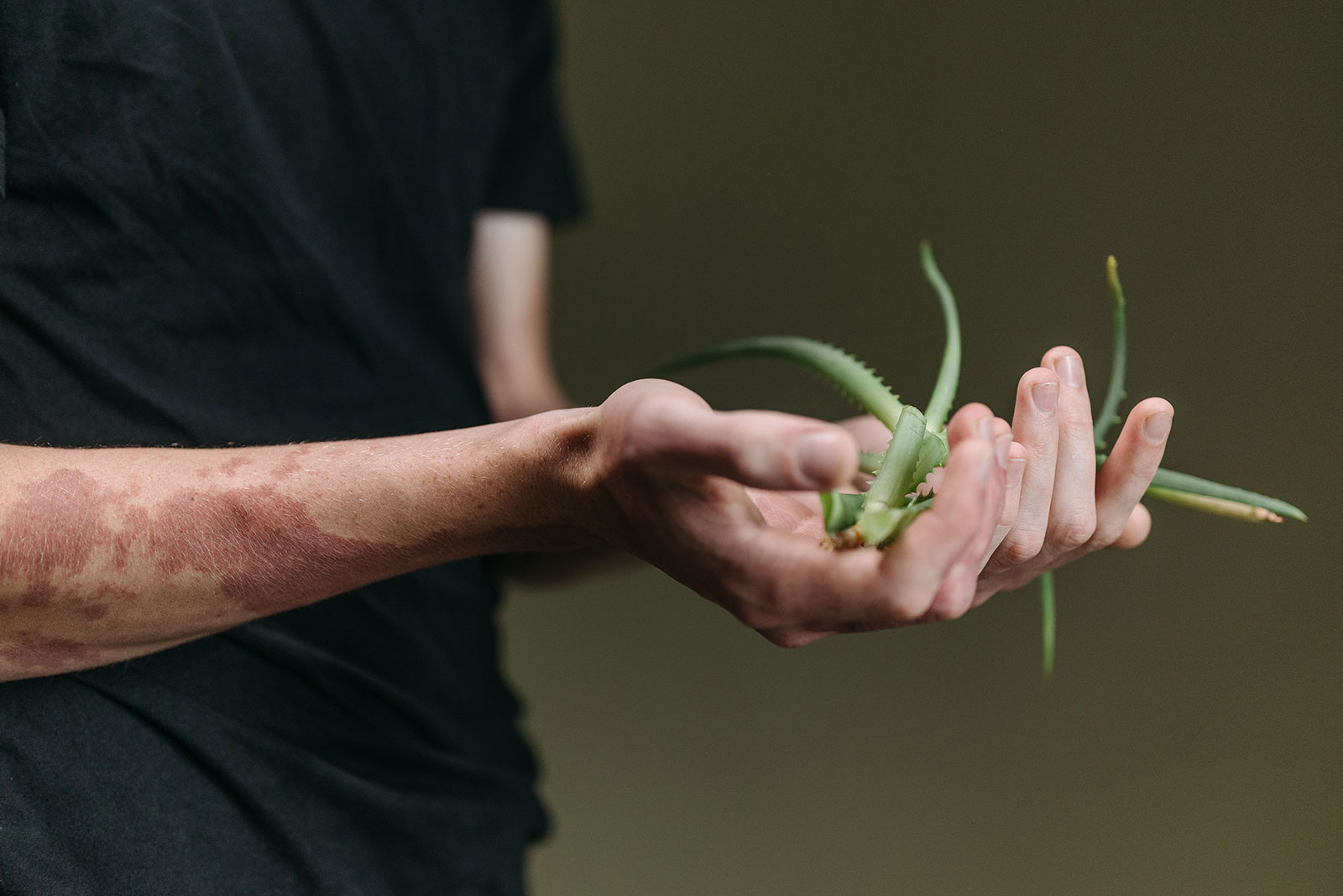
Radiation dermatitis is the skin reaction that can develop in the area being treated with radiotherapy. It ranges from mild redness and dryness to, less commonly, areas of broken or moist skin. Reactions usually begin one to three weeks into treatment, often continue for a short while after the course ends, and are well understood and manageable.
If your care team has mentioned that your skin may react to radiotherapy, or you’ve already noticed some redness or dryness in the treatment area, it helps to understand what is actually happening. Skin changes are one of the most common effects of radiotherapy, and one of the most predictable, which means they can be prepared for and managed with confidence.
The skin reaction radiotherapy commonly causes
What Is Radiation Dermatitis?
Radiation dermatitis is the general term for the changes that can develop in the skin within a radiotherapy treatment field. Most people experience some degree of reaction, most commonly mild redness, dryness and a tight or itchy feeling in the treated area.
It is not a sign that anything has gone wrong. It’s an expected response to a treatment that is working on the tissue underneath, and for the large majority of patients, it stays mild and settles well with simple, consistent care.
How radiotherapy affects your skin’s renewal
Why It Happens
Think of the outer layer of your skin as a wall that is constantly being rebuilt from underneath, with new cells replacing older ones on a steady cycle. Radiotherapy targets fast dividing cells, which is exactly what makes it effective against cancer cells, but the same fast dividing cells that renew your skin sit in the treatment field too.
This temporarily slows the skin’s normal rebuilding process in that specific area, which is why the skin there becomes thinner, drier and more reactive than skin elsewhere on your body. The effect is localised to the treatment field and is not something that spreads to other areas of skin.
From mild redness to more significant
The General Stages of Radiation Dermatitis
For patients whose barrier damage is a direct consequence of active treatment, it is important to have realistic expectations. Full barrier recovery is unlikely to happen while treatment is ongoing, because the treatment continues to present the same challenge to the skin. The goal during this period is management and protection: keeping the skin as comfortable and intact as possible, minimising the risk of infection, and providing the conditions for the skin to do as much self-repair as it can.
Post-treatment, many patients find that consistent barrier-supportive skincare for six to twelve months results in significant and continued improvement in skin texture, sensitivity, and comfort. Recovery is gradual, but it is real.
If you are unsure which products are appropriate for your specific protocol, your oncology nurse is the best person to ask.
- Mild: light redness, dryness, and sometimes a mild itch or tight feeling. This is the most common experience and usually responds well to gentle daily care.
- Moderate: more noticeable redness, some peeling, and occasionally small patches of moist, broken skin, particularly in skin folds or areas of friction such as under the arm or breast crease.
- More significant: wider areas of moist, broken skin that need closer attention from your treatment team, sometimes including specific dressings and monitoring for infection.

Timing, patterns and what feels normal
What to Expect, and When
Reactions typically begin one to three weeks into a course of treatment. It’s common for skin to continue changing, and sometimes to look its worst, for around ten to fourteen days after the final session, before gradually starting to heal. This delayed pattern is well documented and expected, not a sign of a setback.
How noticeable a reaction is varies from person to person and depends on factors such as the dose and area being treated, whether the treatment field includes a skin fold or area of friction, and individual factors like skin type. Your radiotherapy team will check your skin regularly throughout your course, so any changes are seen early.
Simple daily habits that genuinely help
Evidence-Based Care From Day One
The most useful thing you can do is start a simple, gentle skincare routine from the beginning of treatment rather than waiting for irritation to appear. Daily gentle washing, a fragrance-free moisturiser, loose clothing over the area and sun protection all have a role to play, and each is covered in more detail in the other guides in this hub.
Suggested Routine
Suggested CanScience Routine
A simple routine, kept consistent, is more useful than a complicated one. This is a general starting point. Always confirm timing against your own radiotherapy centre’s specific instructions.
- Morning: Wash gently with lukewarm water. Apply a fragrance-free moisturiser such as CanScience Body Repair Cream, following your centre’s guidance on timing before a treatment session.
- Evening: Wash gently again if needed, and reapply your moisturiser once the skin is dry.
- Supportive products: CanScience Rayon Gel and Body Repair Cream were developed to help support compromised skin during and after cancer treatment, including the needs of patients undergoing radiotherapy.
Understanding Radiation Dermatitis Frequently Asked Questions
What does radiation dermatitis look like?
Most commonly, it looks like redness, dryness and slight puffiness in the treatment area, similar in appearance to mild sunburn. In more noticeable reactions, there may be some peeling or small patches of moist, broken skin.
Does everyone get radiation dermatitis?
Most people treated with radiotherapy develop some degree of skin reaction, though how noticeable it is varies widely. Many people experience only mild redness and dryness.
Is radiation dermatitis permanent?
For most people, skin returns close to normal over the weeks and months following treatment. Some people notice small, lasting changes in the treated area, such as slightly different skin texture or pigmentation, which is worth discussing with your care team if it concerns you.
Is radiation dermatitis the same as sunburn?
Many patients describe the feeling as similar to sunburn, and there are some similarities in how the skin looks. The underlying process is different, since radiation dermatitis develops from repeated daily radiation exposure to the same area over several weeks, rather than a single exposure to the sun.
Key Takeaways
Some degree of skin reaction is a common, expected part of radiotherapy, not a sign that something has gone wrong. Reactions usually begin one to three weeks into treatment and can continue for a short while after the course ends before healing. Starting a simple, gentle skincare routine from day one is more effective than waiting for irritation to appear. Your radiotherapy team checks your skin regularly, so contact them promptly if you notice broken, weeping or infected-looking skin.
Medical Disclaimer:
The information in this article is for educational purposes only and does not constitute medical advice. It is not a substitute for professional medical guidance and is not intended to diagnose, treat, cure or prevent any condition. Product timing and technique can vary between radiotherapy centres. Always consult your oncologist, radiation therapist or healthcare team before making changes to your skincare routine during treatment.
This article draws on a 2023 systematic review of skin hygiene and radiation dermatitis prevention, 2024 to 2025 ESTRO RTT committee practical recommendations for radiodermatitis management, and Society of Radiographers practice guidance on radiotherapy skin care. Full citations available on request.


